
Antonio Scaccabarozzi
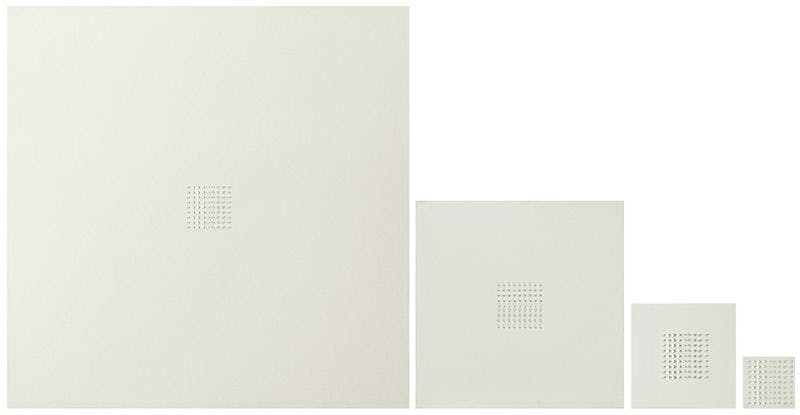
Dattilografia, 1970


ANTOLOGICA
1965-2008
P420 presents the most important retrospective of this Lombard artist who passed away in 2008, courageous researcher of new aesthetic solutions since the mid Sixties. After our inaugural exhibition (Dadamaino – Manzoni: the history of degree zero) and the more recent one dedicated to the protagonists of Gruppo T, the gallery continues its investigation, rediscovering the meticulous and extremely personal work of this artist who has been a presence on the Italian and international contemporary art scene for over forty years.


Having completed his diploma from the Castello Sforzesco Secondary School for applied art in 1959, and after some years spent in Paris, London and Holland, in 1965 Antonio Scaccabarozzi (Merate 1936, Santa Maria Hoè 2008) exhibited his first works of research into geometric abstraction in Milan. From then on, as noted by Angela Madesani in the catalogue that accompanies the exhibition, the name of Antonio Scaccabarozzi appears frequently alongside some of the most important figures from that season.
Dattilografia, 1970
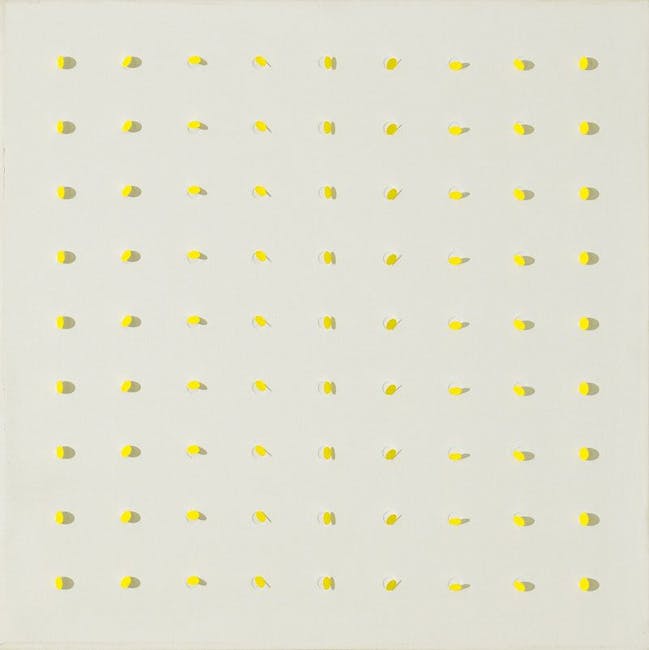
Rotazione orizzontale, 1972

Rotazione orizzontale scalata (diagonale), 1974
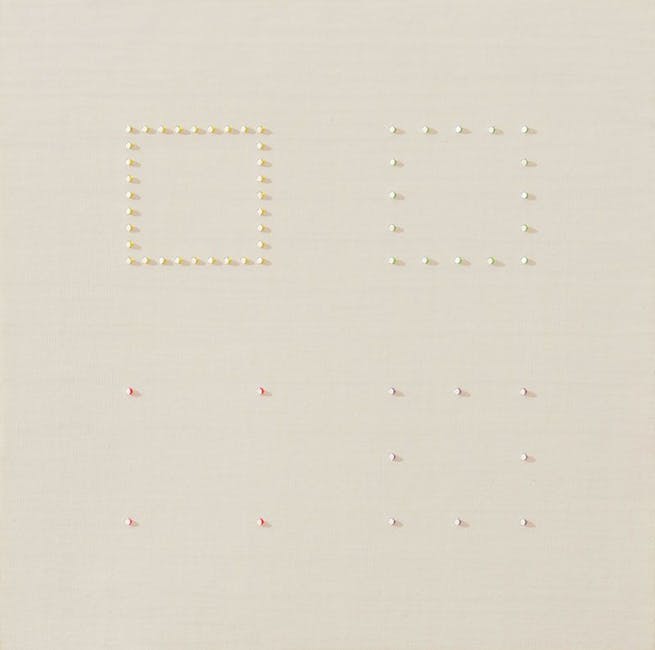
Punto di vista variabile, 1971
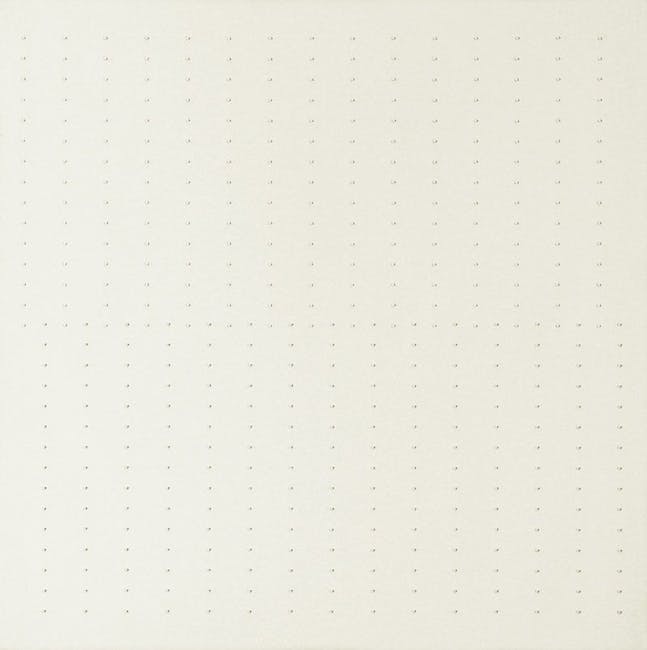
Orizzontale luce-ombra, 1972
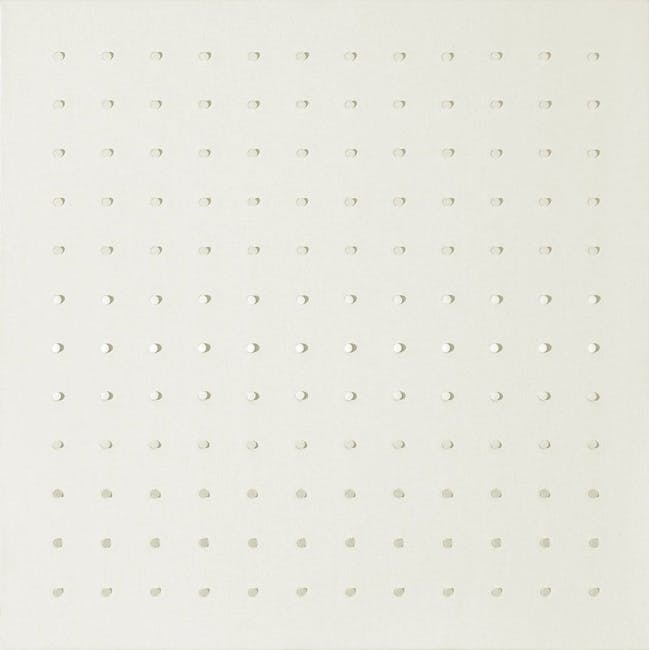
Rotazione sulla verticale, 1972
Dall'elemento spaziale alla superficie continua, 1972
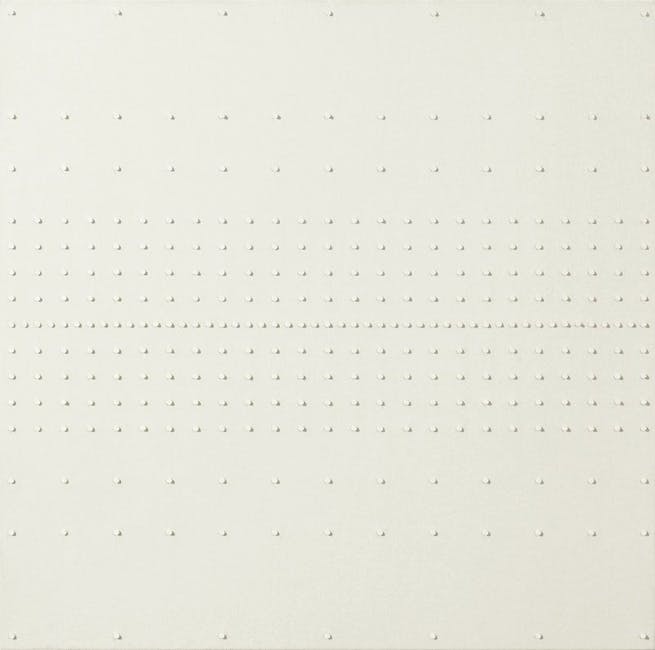
Parallelismo, 1972

Elemento e rotazione, 1972

Prevalenze 1/7 (div.2) col., 1974
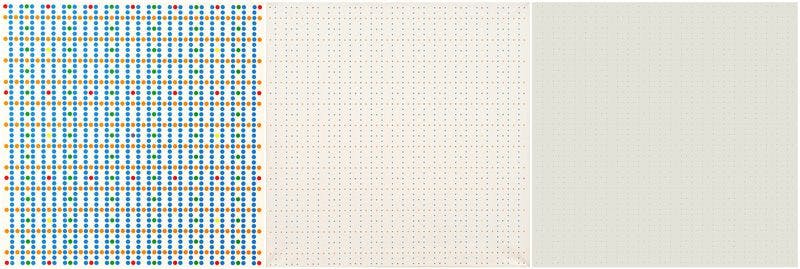
Prevalenze 1/6 col., 1974

Prevalenze 1/8 (div.2) col., 1974

Grigio 1/5 prevalenze, 1974

Prevalenze 1/4 col. Vi.R.A.G. (div.4), 1974
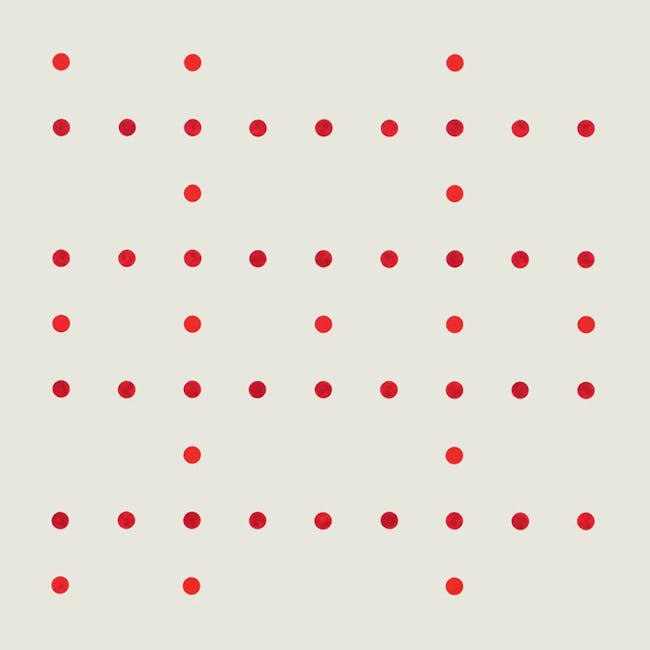
Monocromia prevalenze 1/4 (div.2) V.O., 1977

Monocromia prevalenze 1/4 (div.2) V.O., 1977
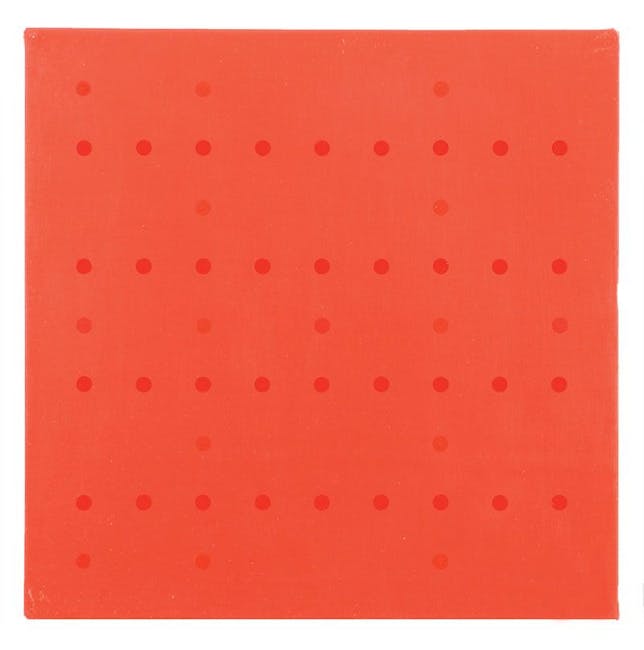
Monocromia prevalenze 1/4 (div.2) V.O., 1977
Umbro Apollonio chose his works to be exhibited alongside those of Alviani, Bonalumi, Castellani, Dorazio, Fontana and Nigro. In Karlsruhe his work was exhibited in a double solo show with Dadamaino in 1973. Tommaso Trini published his works alongside those of Gianni Colombo, Jorrit Tornquist, Dadamaino and De Alexandris. With the anthological exhibition here at the P420 gallery the work of this refined artist, who throughout his life kept a distance from the clamour of the art world, is re-read and re-evaluated in the right measure. On exhibition are Ricerche Strutturali, reticulate geometries with which the artist investigates the observer’s emotional contact with the work; Misurazioni and Quantità, in which the concept of colour suffices to make a painting, Polietileni in which severity and lightness evoke without describing and finally, the courageous transparencies of Velature.

Prevalenze 1/6 (div.2) V.O., 1977
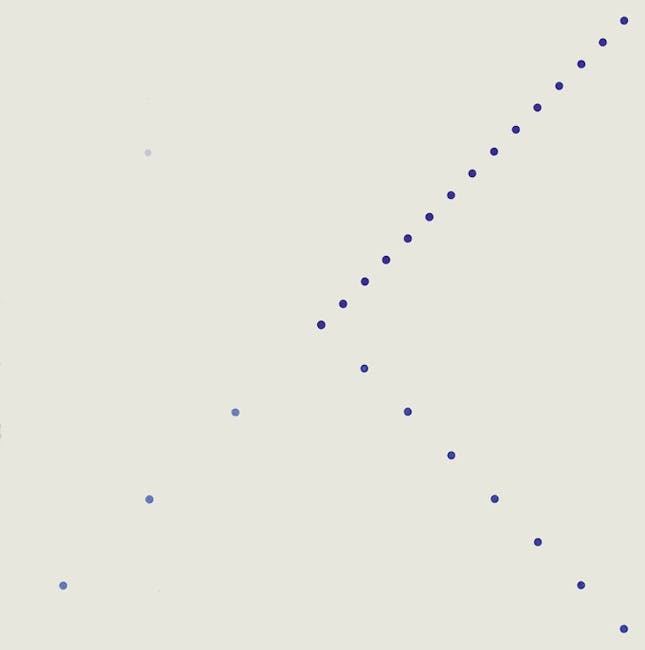
Minime differenze diagonale, 1978

Minime differenze diagonale, 1978
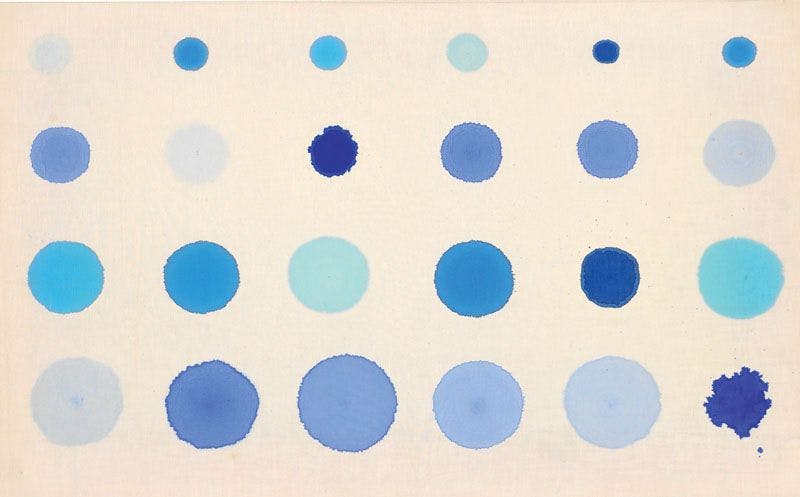
Iniezione endotela, 1980

Immersione, 1982

Quantità, 1984

Non prima forse dopo comunque adesso, 1989
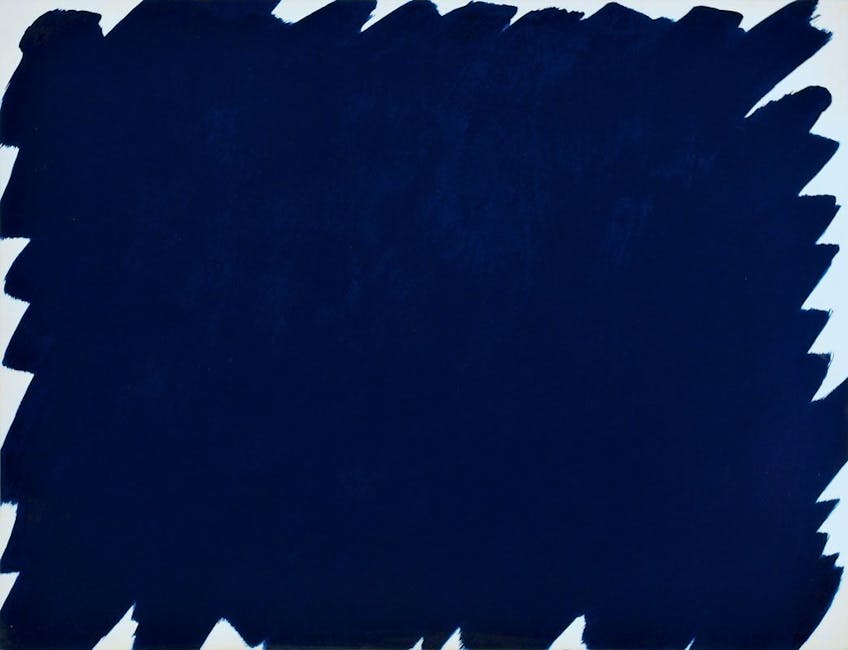
Quantità di blu verso il N2, 1985

Acquerello numero 10, 1990

Quantità in muta, 1987

Quantità in muta, 1987
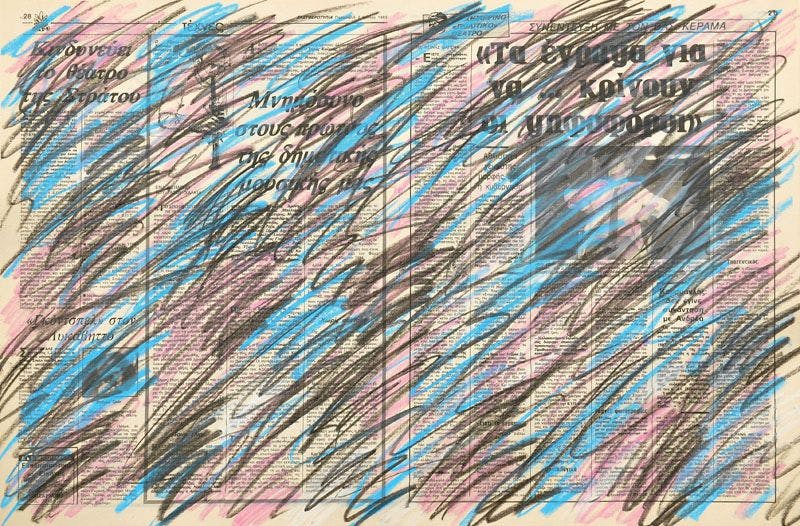
Quantità nell'idea del disegno, 1989

Quantità nell'idea del disegno, 1989
In all his work Scaccabarozzi makes coherent choices of the surface, canvas, polyethylene on which colour is applied as a quantity, volume, weight, structure, layer and this is how he reveals an unfamiliar image of reality, without taking anything for granted. Again, Angela Madesani states: We find ourselves before a unique personality, a man who deeply loved his freedom and refused to compromise. Not due to a strange form of masochistic heroism, but rather for a genuine existential need. “I am isolated; I live here in touch with nature and do not inquire into commercial art and all that this entails. I only move when I am called to exhibit, and I take advantage of this to visit museums, to study artworks in person. As for the rest, despite knowing the context, I remain outside of this world and this is how I live, enjoying nature and my work: I could do more but I do not feel the need at all.”
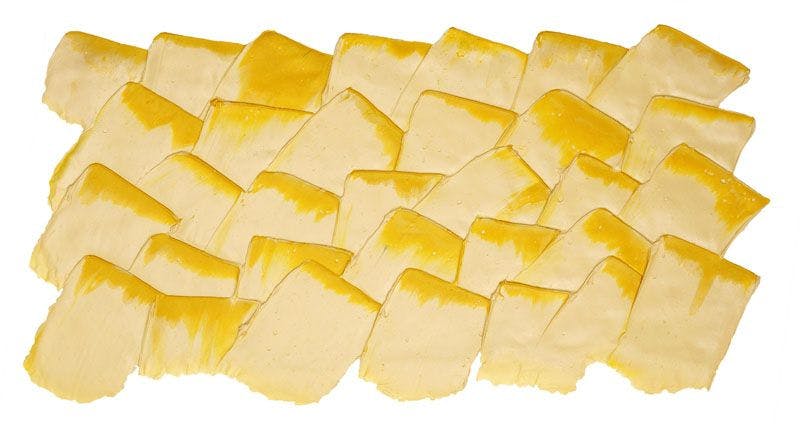
Essenziale con ombre pittoriche, 1991
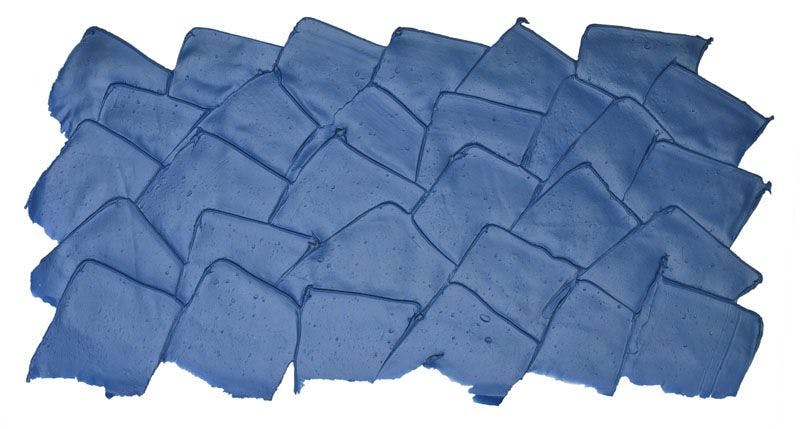
Questo è quasi verde?, 1991
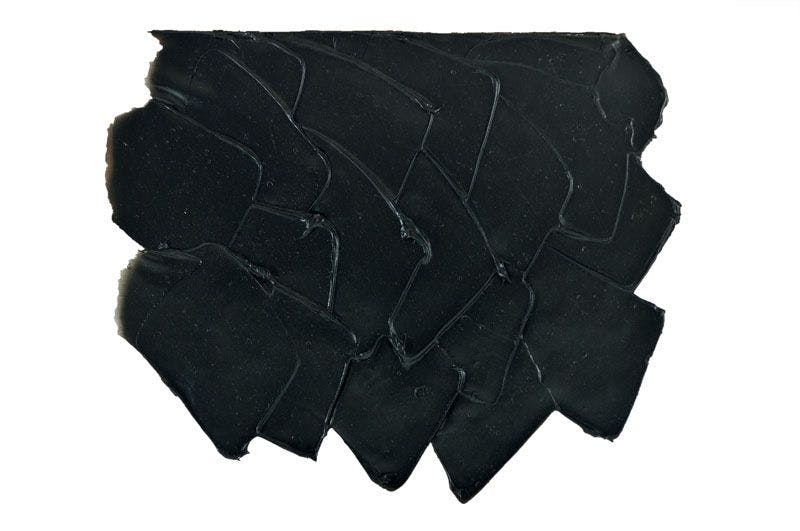
Essenziale, 1992
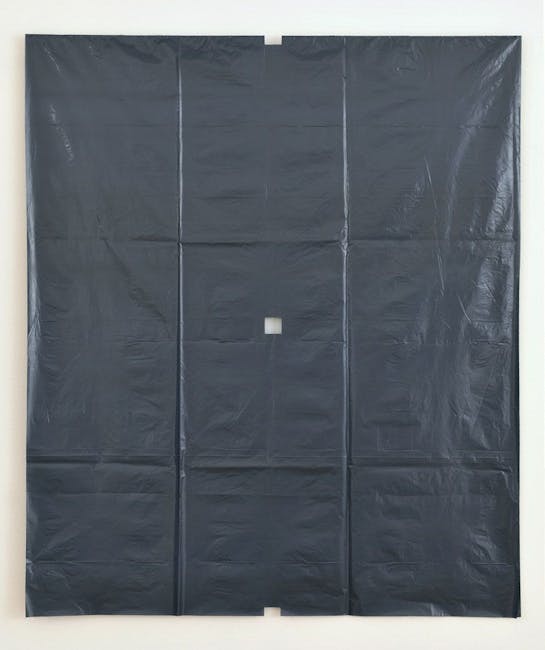
Blu scuro opaco, 2000

(121) Atene, 2001
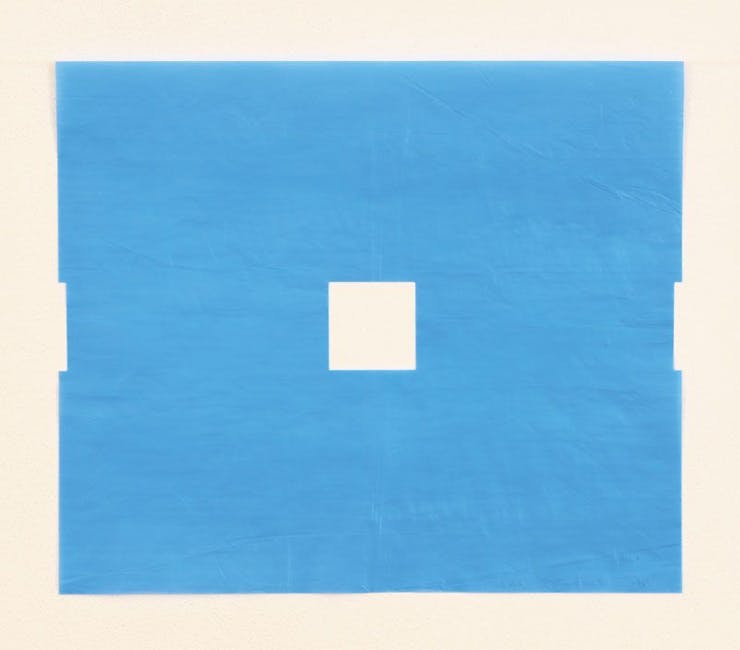
Simi, 2001
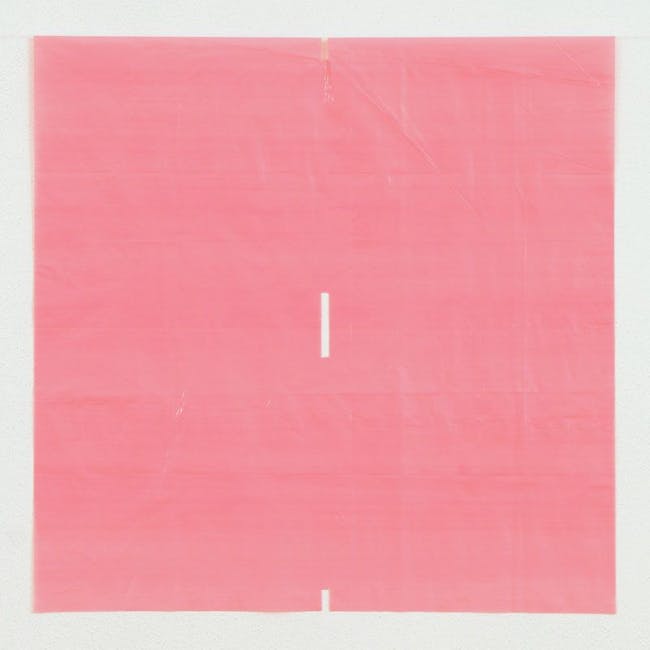
Senza titolo/Untitled, 2001

Serifos, 2002
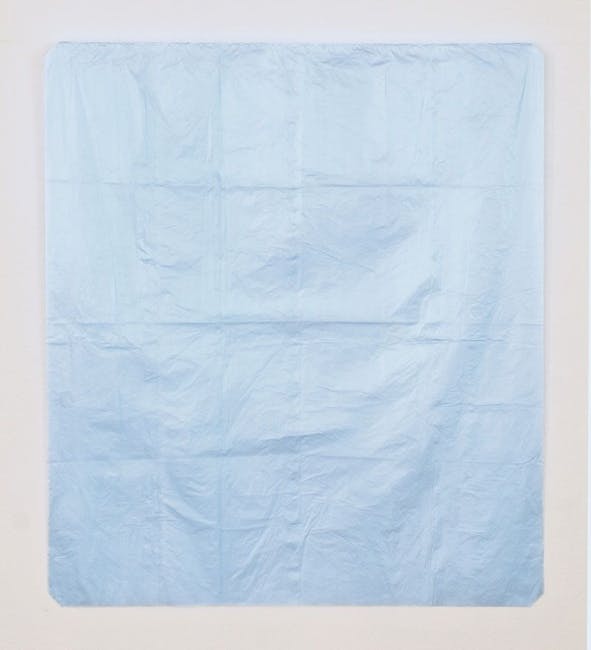
Banchisa 43, 2004
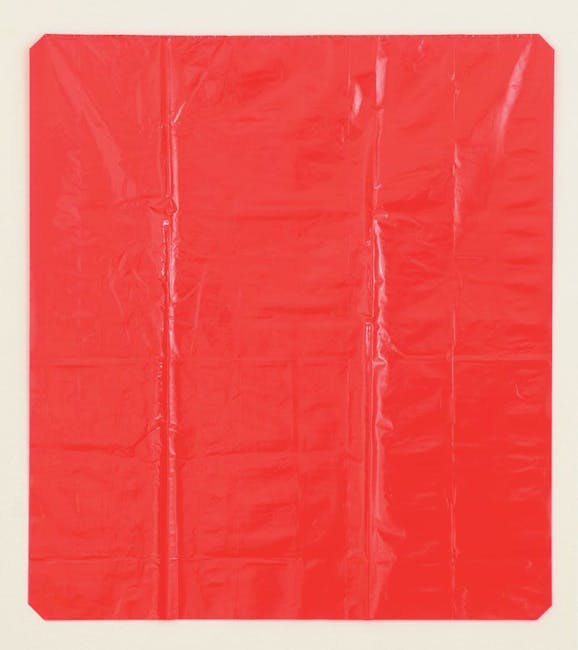
Banchisa 41, 2004

Ekleipsis 12, 2002

Ekleipsis 17, 2002

3 velature su fondo grigio blu, 2005

3 velature su fondo grigio, 2005

11 velature di bianco, 2006

7 velature di giallo di Napoli, 2006

4 velature su fondo giallo, 2005