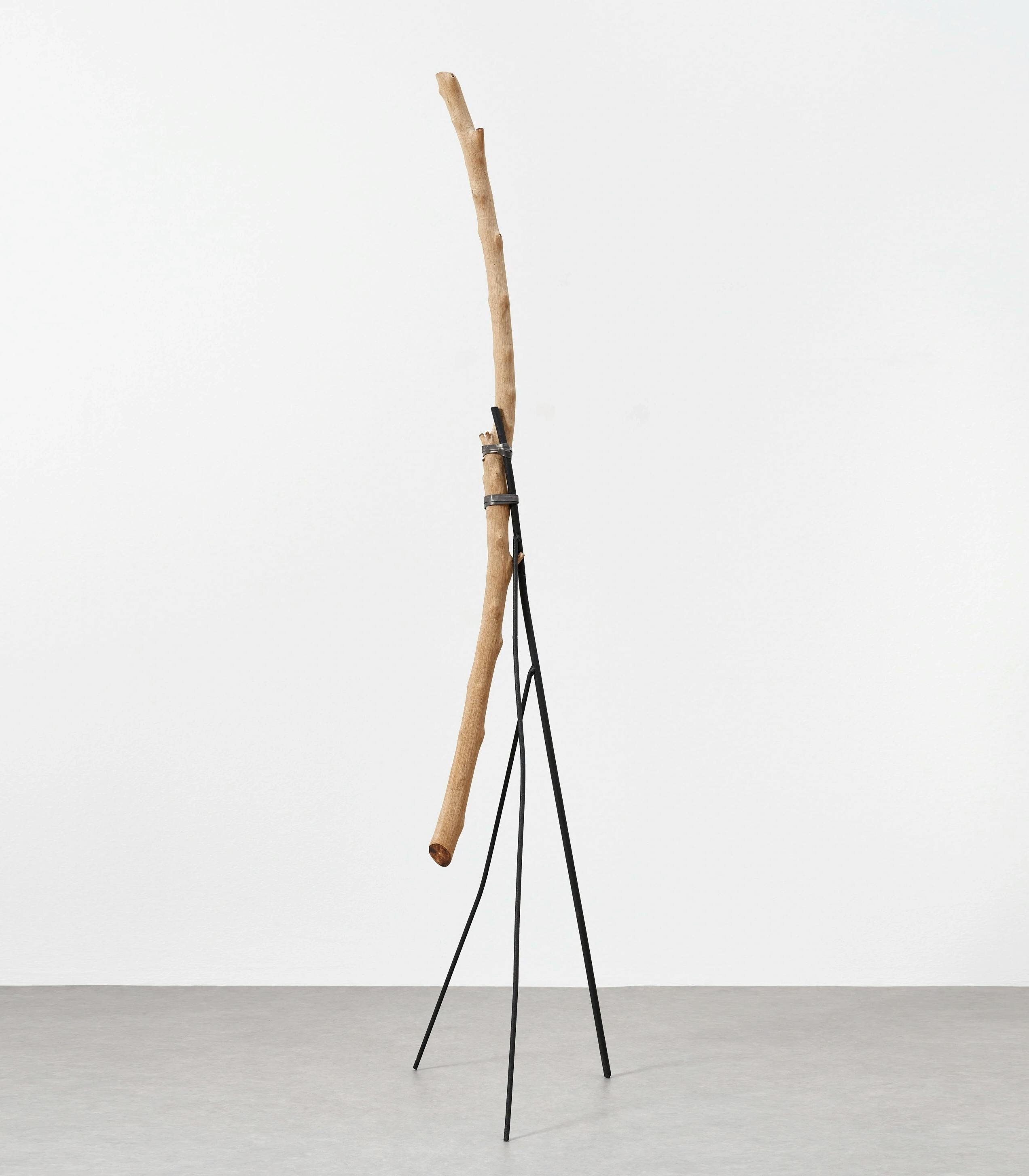


PAOLO ICARO 1967–1977
28 January - 10 March 2012
The exhibition opens with Purple Chair, in which the space of open dimensions and transit becomes the form of individual space. As Lara Conte noted, ‘Icaro’s Gabbie go beyond rigidity, the coherence of minimalist plastic reductionism. In fact, although Icaro warns that minimalist research “is completed by its own premise”, he does not feel exempt from providing his own critical, Mediterranean contribution. And he does so by ironically throwing into crisis those procedures that tend to enclose the syntax between real perfection and regularity, “where nothing is to be discovered, read or felt”.


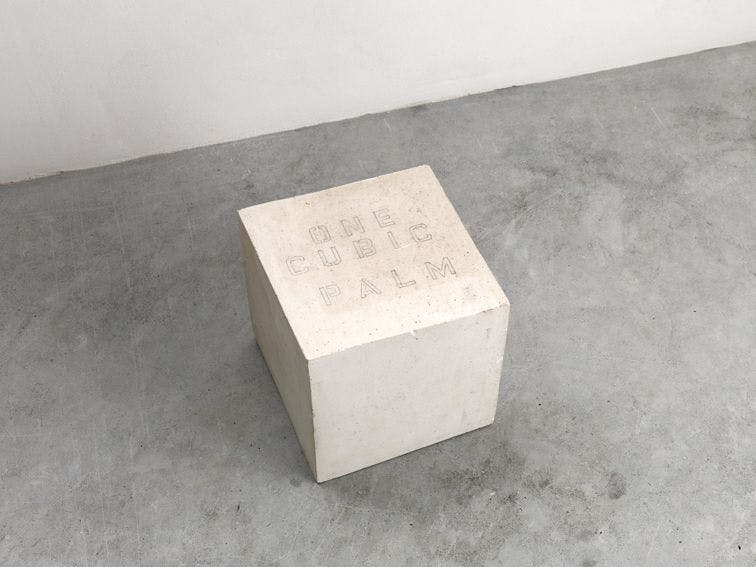
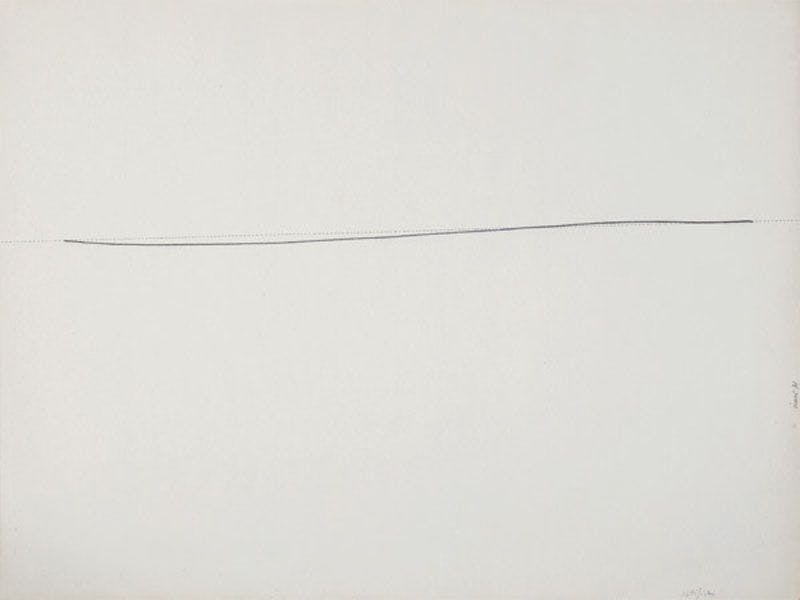
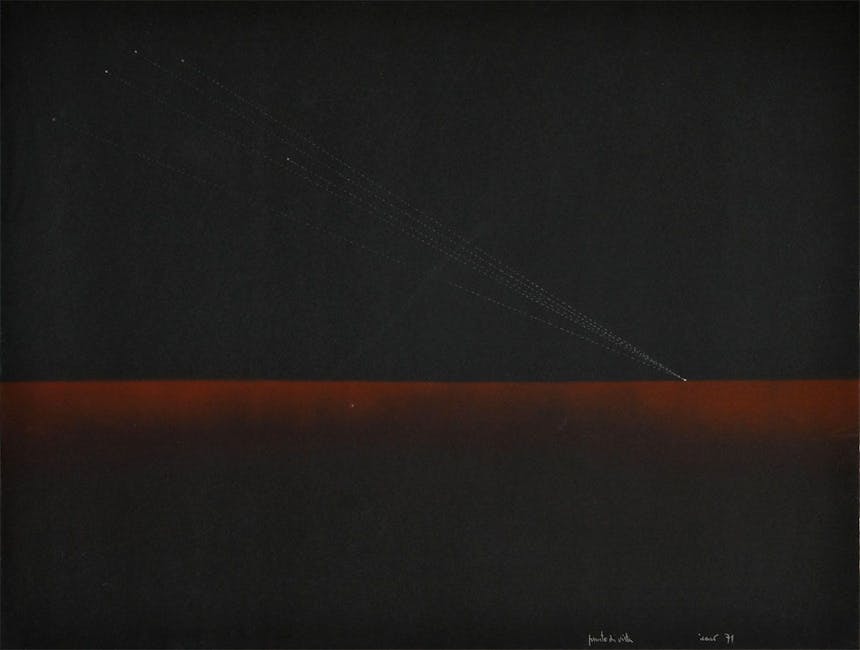
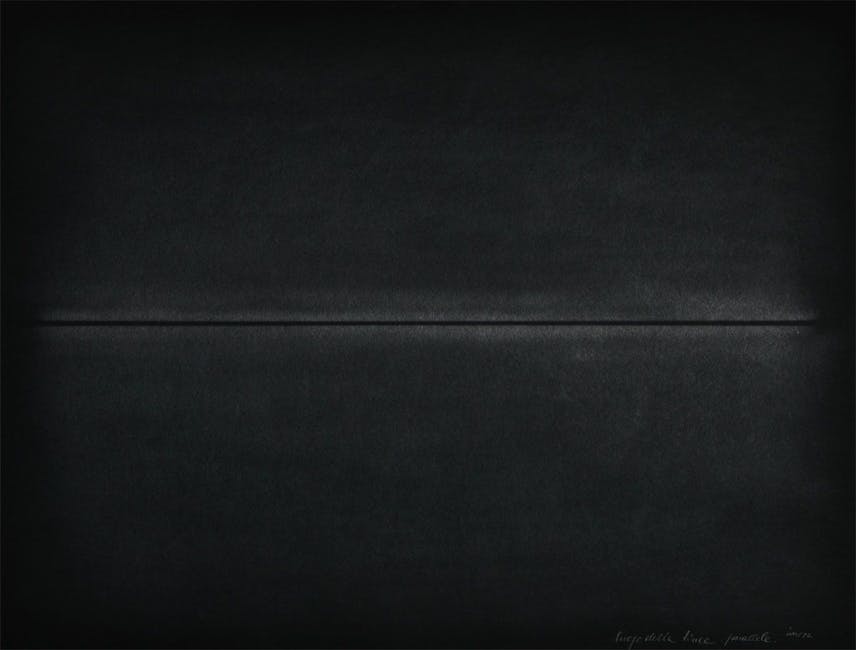
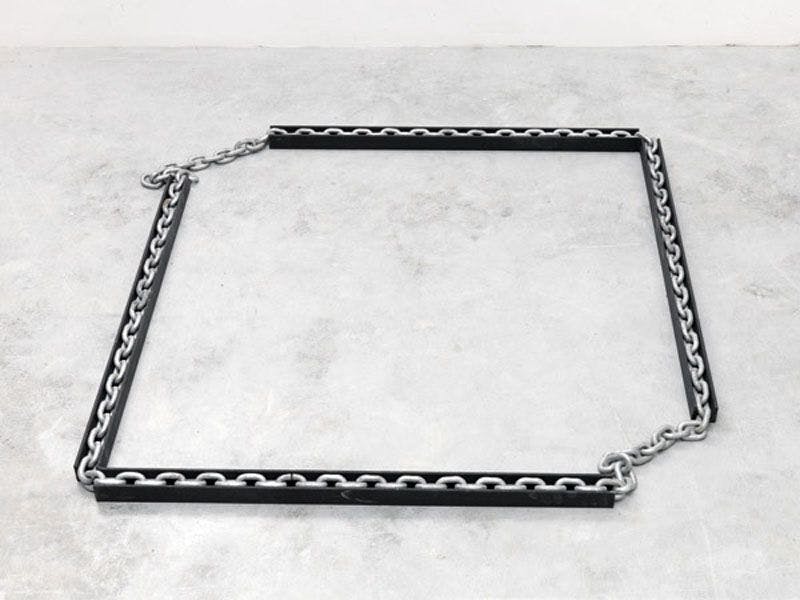
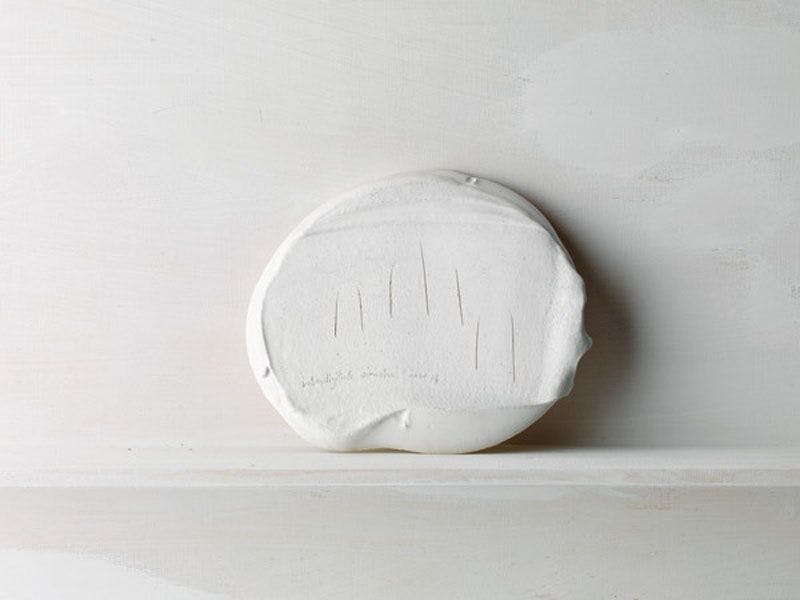
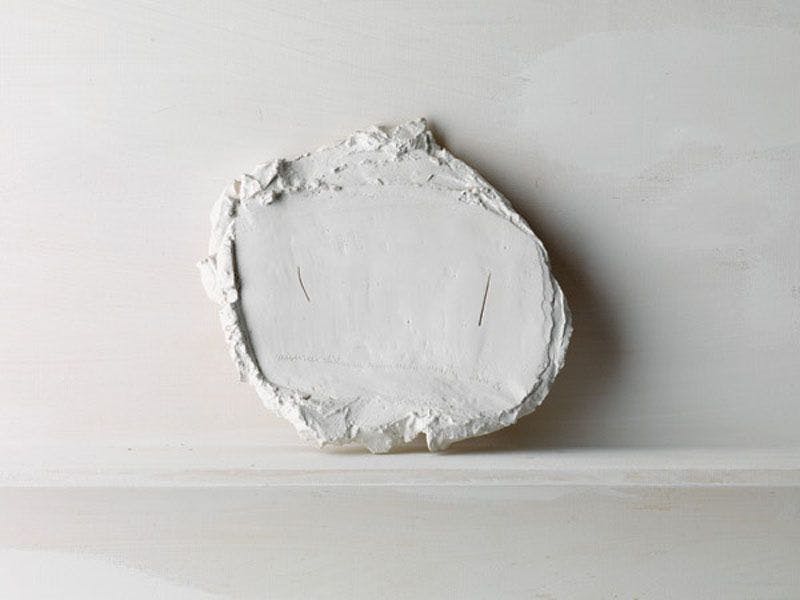
Icaro explores space: a space to be experienced with the body, measured in a physical and mental dimension, to look for in the becoming of time. A space to describe, where design and accident, sacred intimacy and subtle irony blend. Causing a radical crisis for form, Icaro reaches exploration of that process of doing that he sums up in the continuous action of Faredisfarerifarevedere’. On exhibition, this research into doing is shown through a display that unites Chain d (1967), Quadrato libero (1968), the wall-mounted Misure (Polare, 1972; Misura mano sinistra, punti, 1974) and the 18 plaster Misure installed within a window-space, that intends to recall and rethink the Window-Show exhibition held in Finale Ligure in 1974.
Exhibited Artworks

Paolo Icaro
Quadrato libero (due elementi a 90°), 1968

Paolo Icaro
Polari/Polars, 1972

Paolo Icaro
Window Show, 1974
Paolo Icaro
Interdigitale sinistra, 1974

Paolo Icaro
Misura distanza indice medio sinistro, 1974
The works exhibited bear witness to the concept that sculpture must affirm its own space. This proposition arises from the realisation that sculpture’s original function was as an extension of architecture that communicated a building’s ritual, commemorative or decorative uses. Over millennia, sculpture has been detached from this reliance on built structures to find a place for itself. Icaro has been occupied for many years with the question of how sculpture acquires its aesthetic value and validity, and the levels on which it engages with its audience. Made of white plaster, a humble material in the context of art and everyday life, and placed at intervals around the gallery walls, they suggest elemental architectural forms – an arch, a window, a lintel and ledge – that seem both ancient and, within the context of the Minimalism of the 1970s, modern at the same time. A characteristic of Icaro’s work is to interrogate its surroundings, and that means both its setting and the people occupying it. These forms encourage visitors to trawl memory and imagination for possible explanations, establishing a remarkably liberating environment that recalls the abstract sensations of music on the mind or the mental landscapes opened up by literature.