Irma Blank
Eigenschriften, Untitled, 1970


Following the solo exhibition No-Water-In by the American sculptor Richard Nonas, the P420 gallery (Piazza dei Martiri 5/2, Bologna) proposes a selection of Italian and international artists who started in the Sixties to use a repeated sign, an unconventional graphism, a mental non-coded alphabet in the form of illegible writing. The subject of the exhibition that opens on the 22nd of October at 18.00, entitled Alphabets of the mind, is not Visual or Concrete Poetry, but Conceptual research at the boundary between writing drawings and drawing writing. As Angela Madesani points out in the introduction to the exhibition, The French linguist Roland Barthes claimed that «writing need not be legible in order to qualify as writing». Moreover, between the Sixties and Seventies, there were many artists on the international scene who made declarations and proclamations, strongly marked by ideological, and even more frequently political, affiliations. The protest is clear, outspoken. An attitude that is more often than not easy, explicit and fashionable. The pieces exhibited here go against all of that, but without being preconceived.
Eigenschriften, Untitled, 1970

Senza titolo/Untitled, 1979
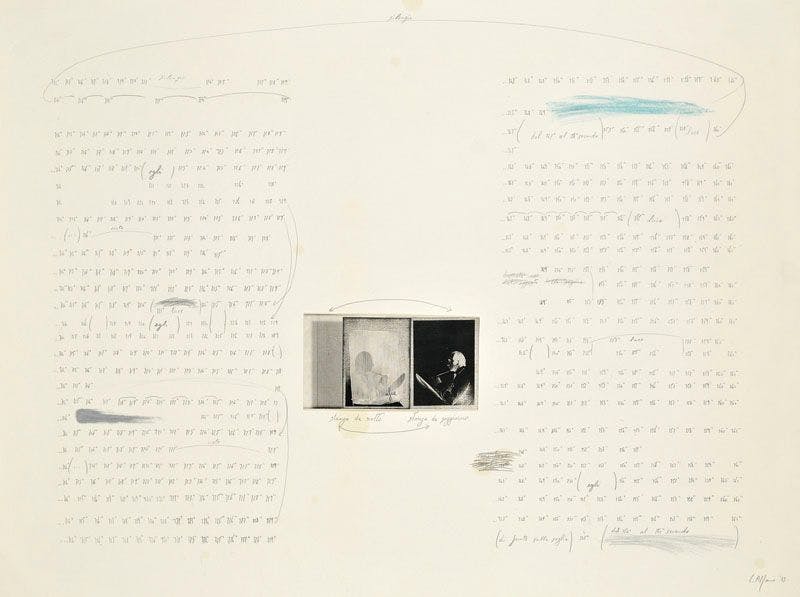
Senza titolo/Untitled, 1983

Eigenschriften, Spazio 98, 1970

Eigenschriften, Pagina 52, 1972
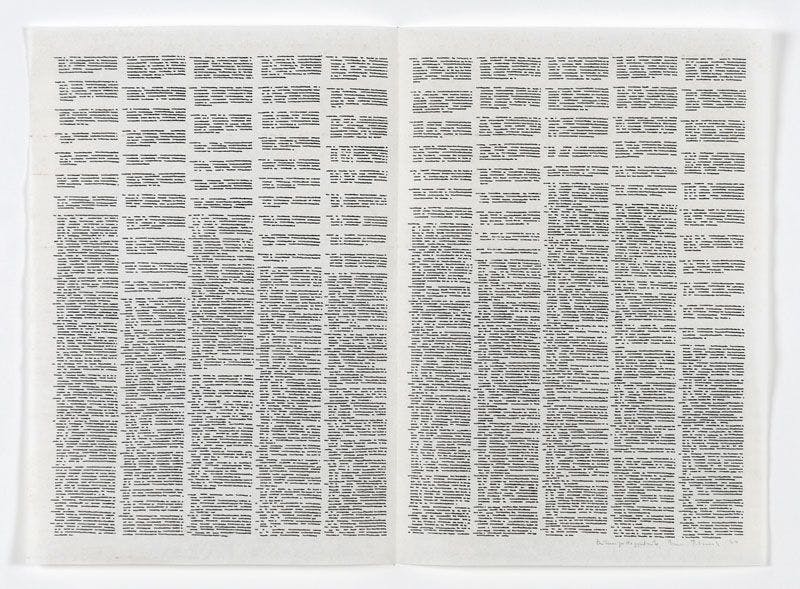
Trascrizioni, Kurz-Texte, 1974
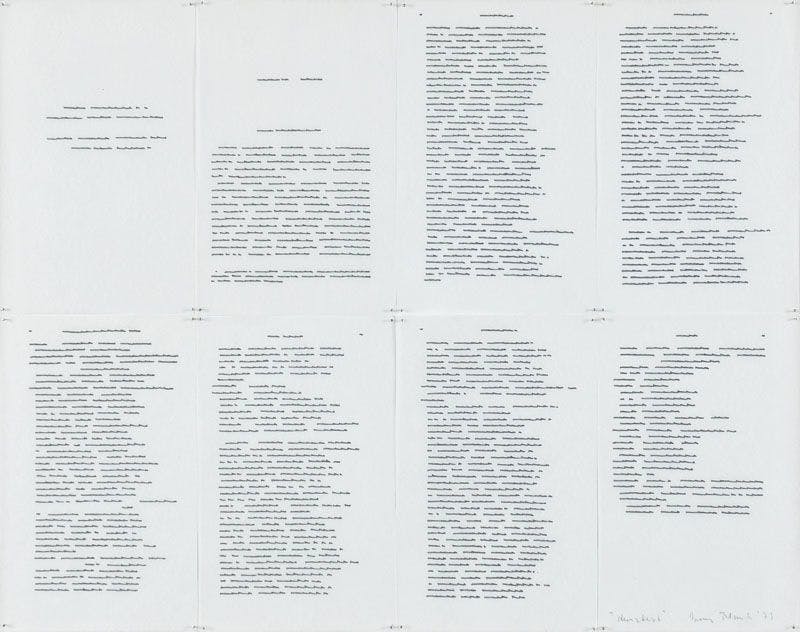
Trascrizioni, Kurz-Texte, 1973

Lettera 7 dell'alfabeto della mente, 1980

Lettera 9 dell'alfabeto della mente, 1979

Lettera 11 dell'alfabeto della mente, 1980

Lettera 10 dell'alfabeto della mente, 1979

Lettera 12 dell'alfabeto della mente, 1980

Sein und Zeit, 1998

Texto, 1970

Carta, 1970
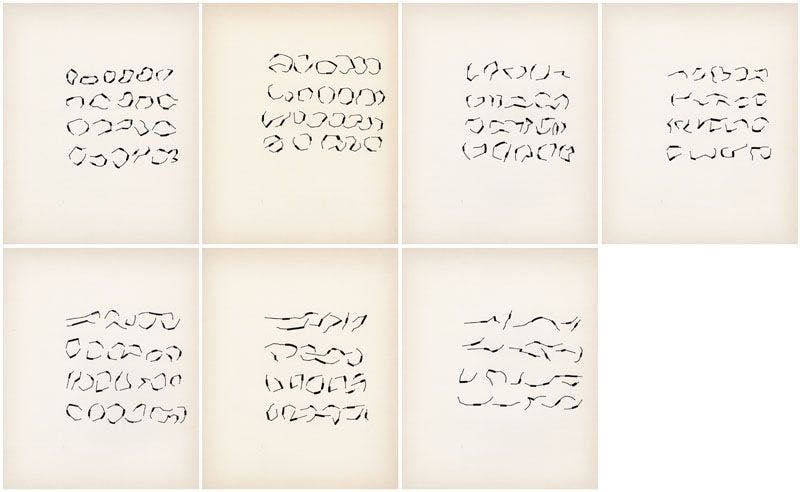
Textos, 1973

Newsletter, 1999

Escritura, 1976

Senza titolo/Untitled, 2007

Senza titolo/Untitled, 2007
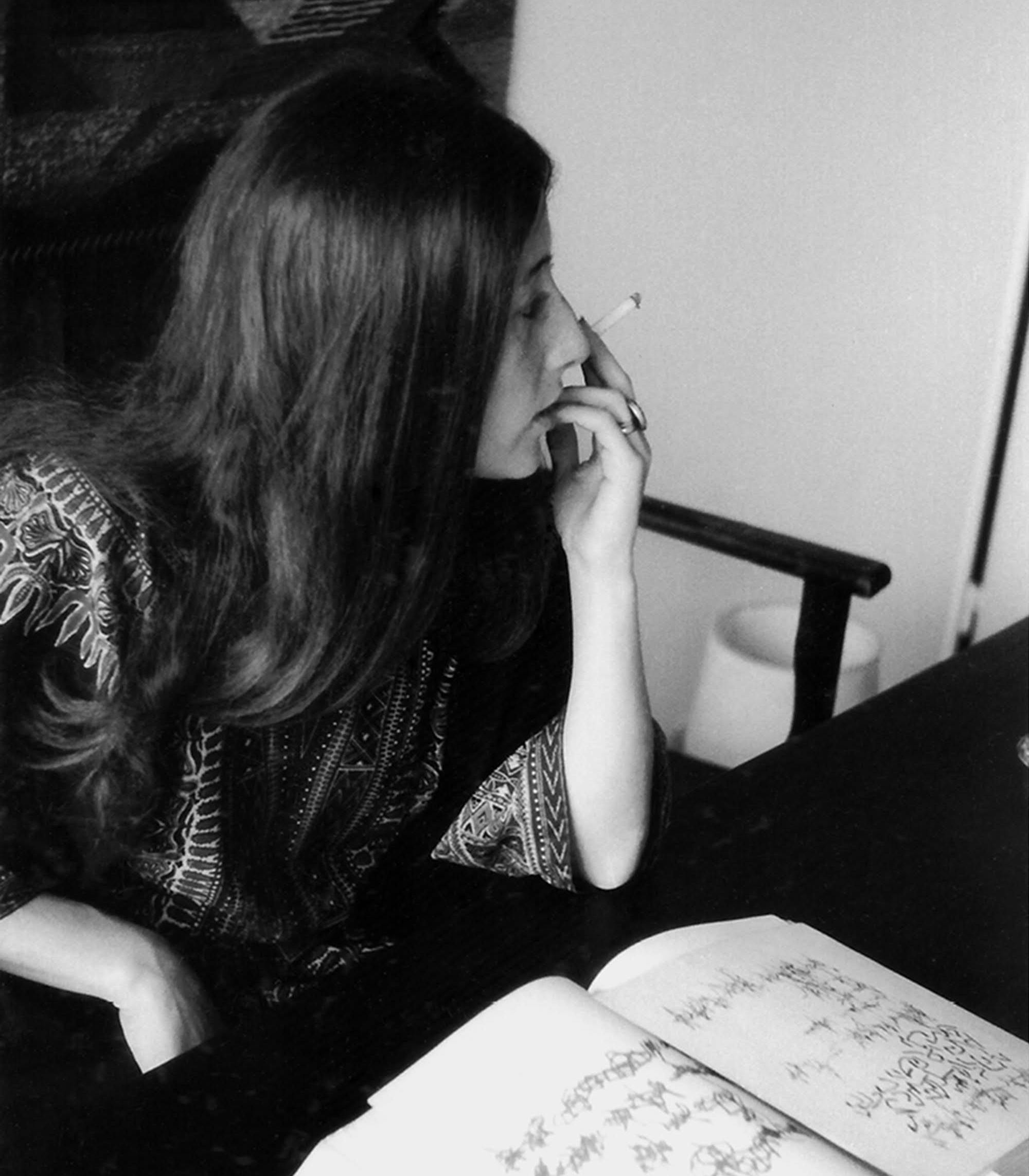
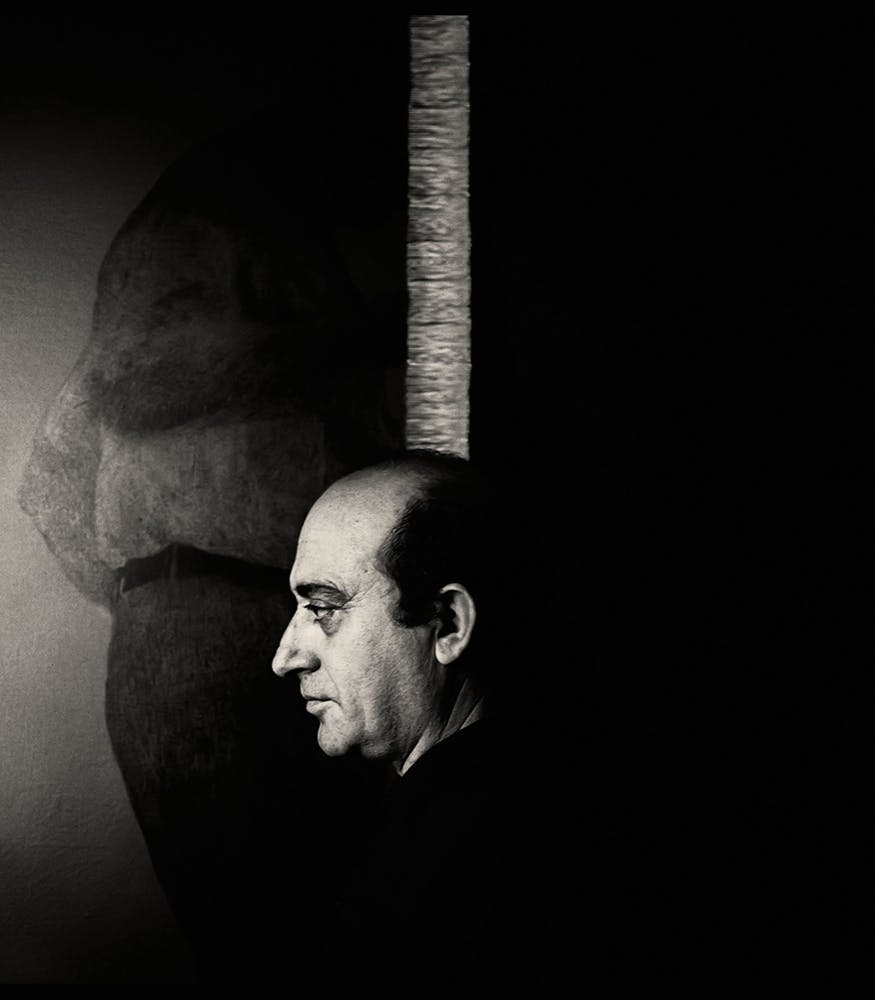
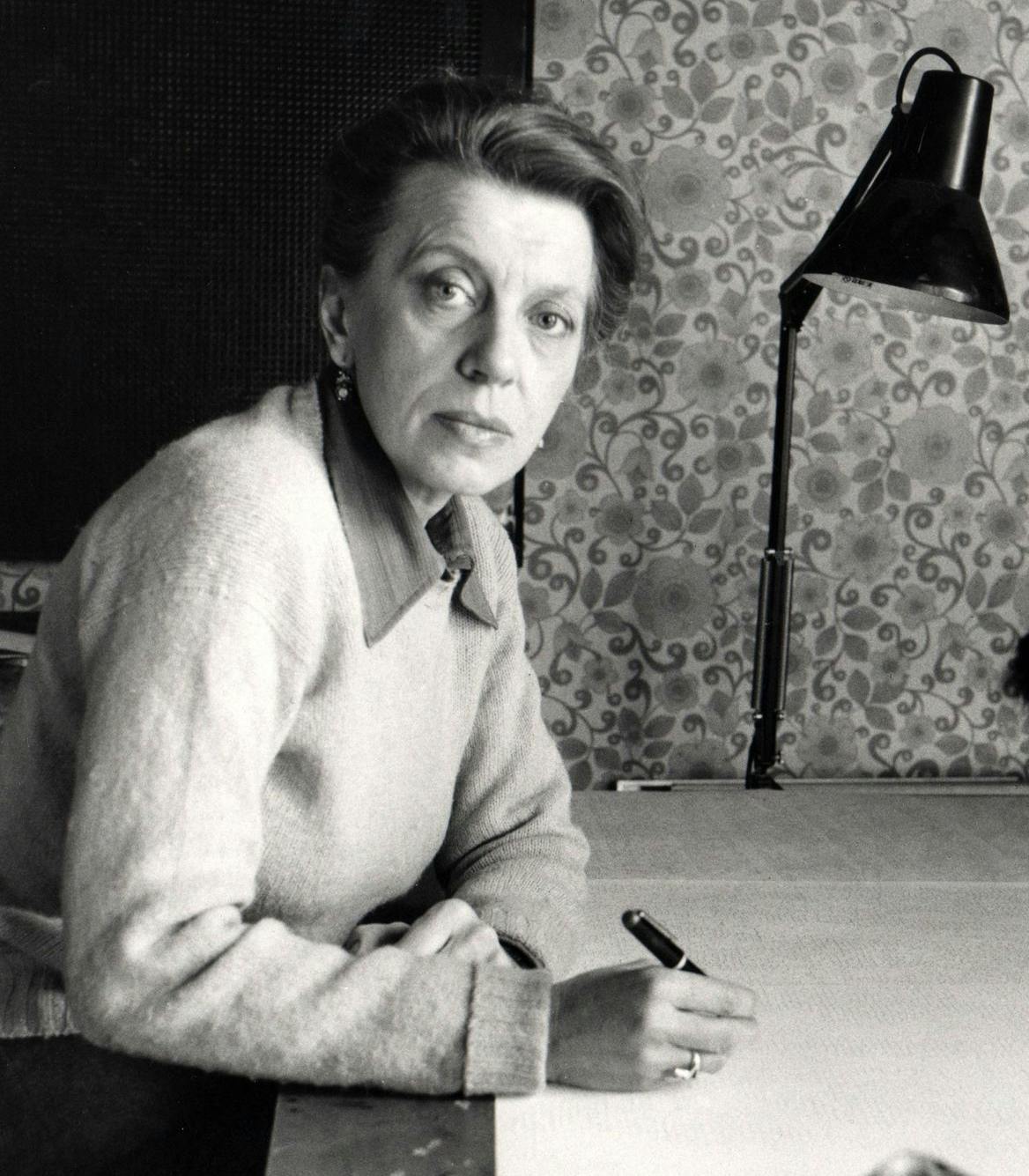
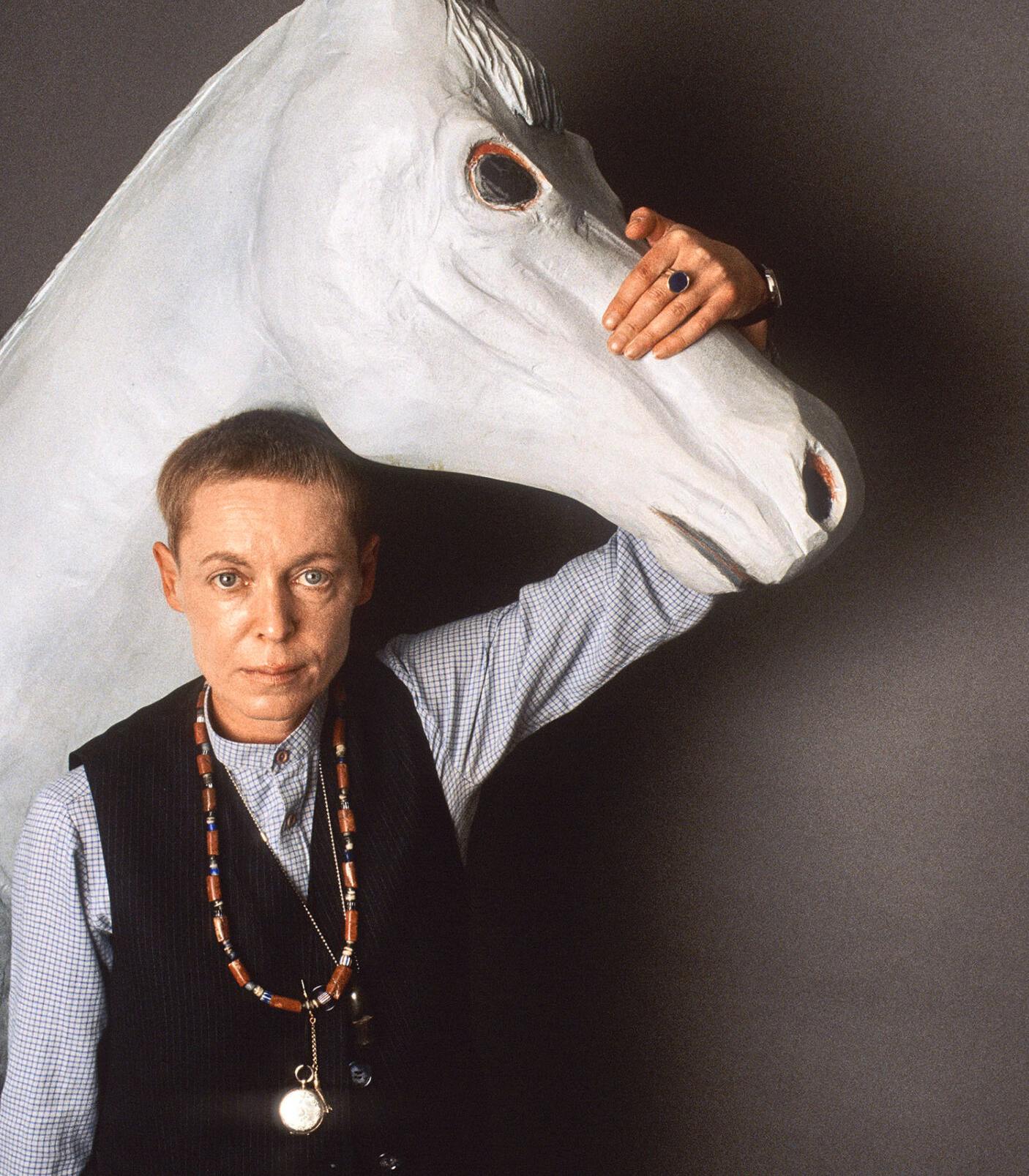
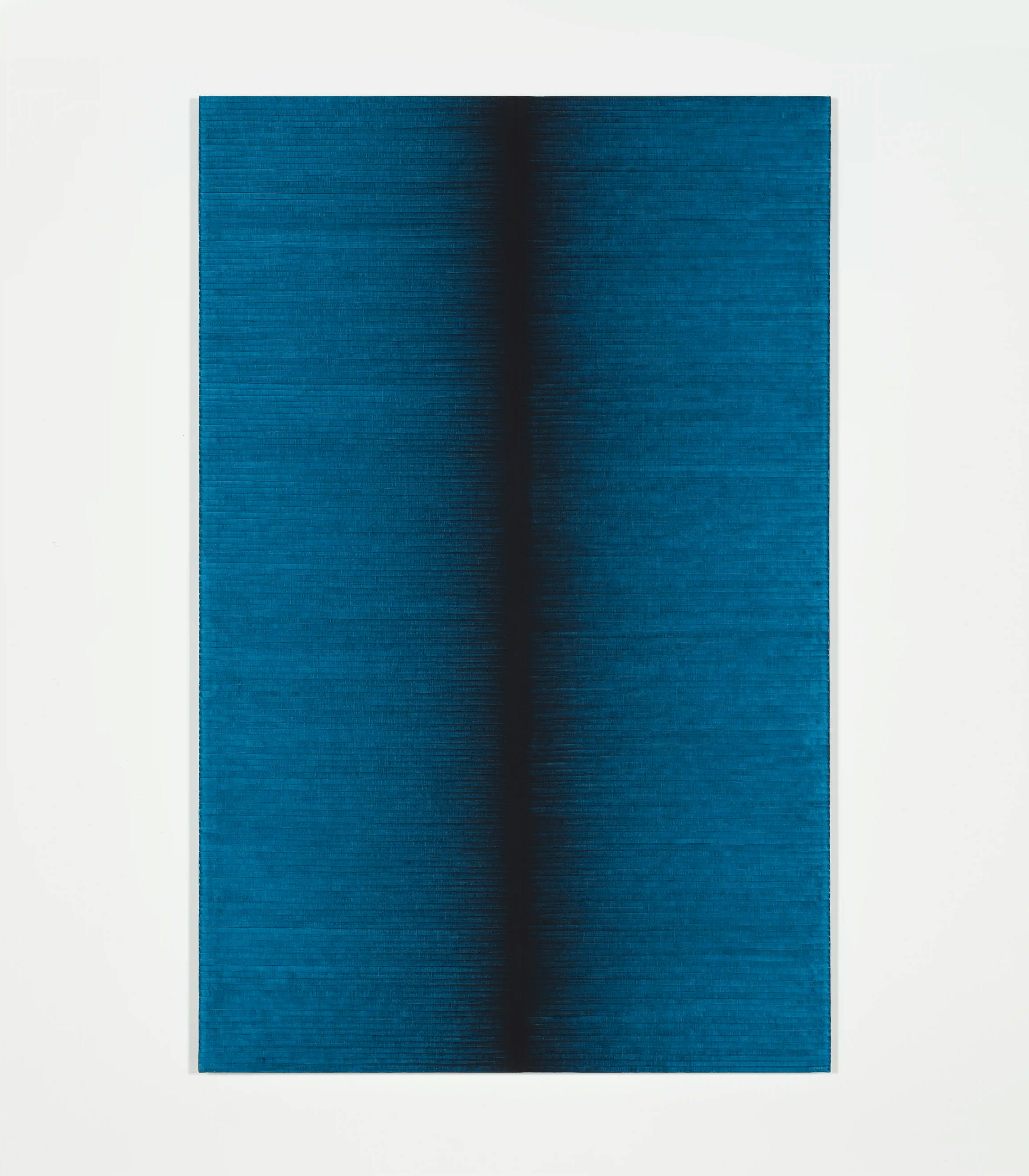
We stand before pieces, created with traditional techniques, mostly on paper, which display a profound social and historical awareness, and above all an awareness of language. Nothing is random or ephemeral and every signifier takes on a real, typically unconventional, meaning. The exhibition includes over 40 works by 11 selected artists. In his Frammenti di un autoritratto anonimo, Carlo Alfano codes a grammar made of numbers, while the artist Irma Blank, who is German but has lived in Italy for almost fifty years, in both Eingschriften and Trascrizioni dedicates herself to the translation of the concept of the unspeakable. On display are the compulsive artificial writings by German Hanne Darboven and Dadamaino’s obsessive dictations in Alphabets of the mind and the more recent Sein und Zeit. South American artists include Mirtha Dermisache (Textos from the Seventies and the more recent Newsletters, in which artificial writing recovers its purely plastic dimension, are exhibited), Leon Ferrari (in whose work the letter and the text, told in a thousand ways, have a supporting role) and Anna Maria Maiolino with the Codificações Matéricas Series pieces, mental traces generated by the force of gravity. The works of two American artists are also exhibited, Marcia Hafif (“mental exercises, which seem to record the mechanisms of thought”, writes Angela Madesani) and Edda Renouf, whose writing “is like an incision into the skin of the subject”. Antonio Scaccabarozzi invents laws that decode the alphabet and grammar of mental structures, made of single typewritten dots, while Jan Schoonhaven organises lines in the balance between approximation and rigour.

February 18, 1972 I, 1972

February 16, 1972 I, 1972

Untitled (from Codificações Matéricas Series), 1995

Untitled (from Codificações Matéricas Series), 1995

Miniature, two-2, 1975

Miniature, two-5, 1975
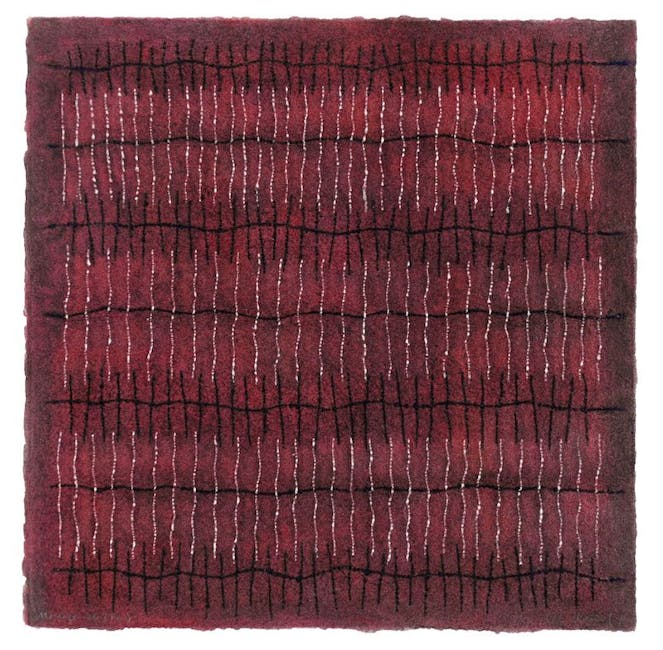
Message-26 (feu), 1992
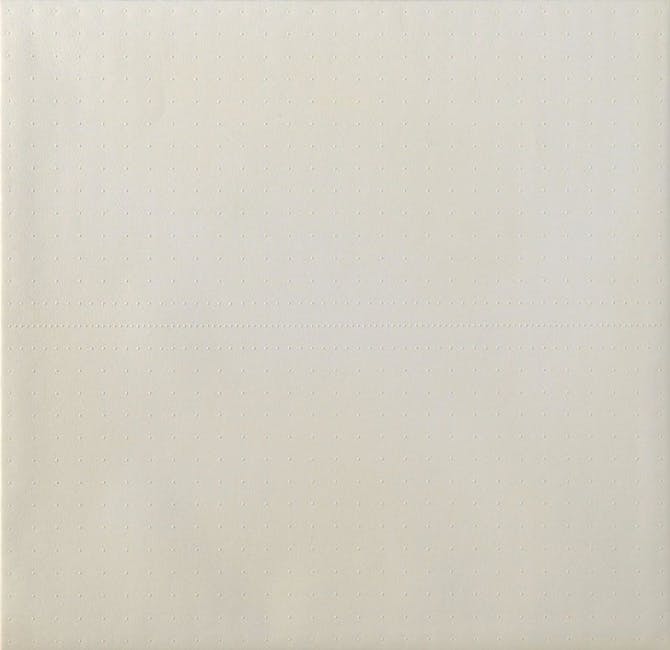
Dattilografia, 1970
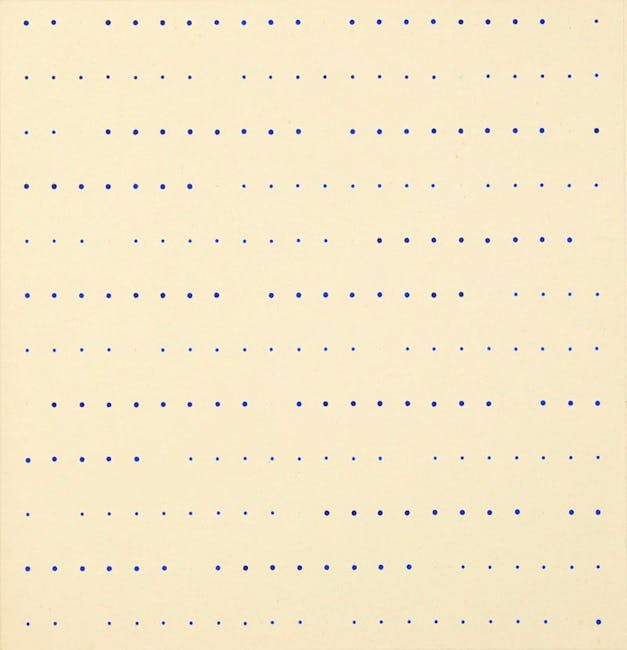
Cm. 1/2, 1978
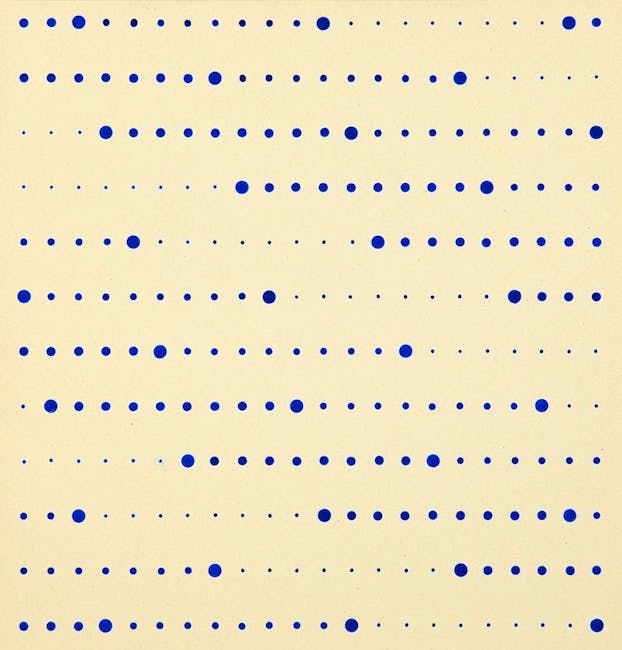
Cm. 1/2, 1978
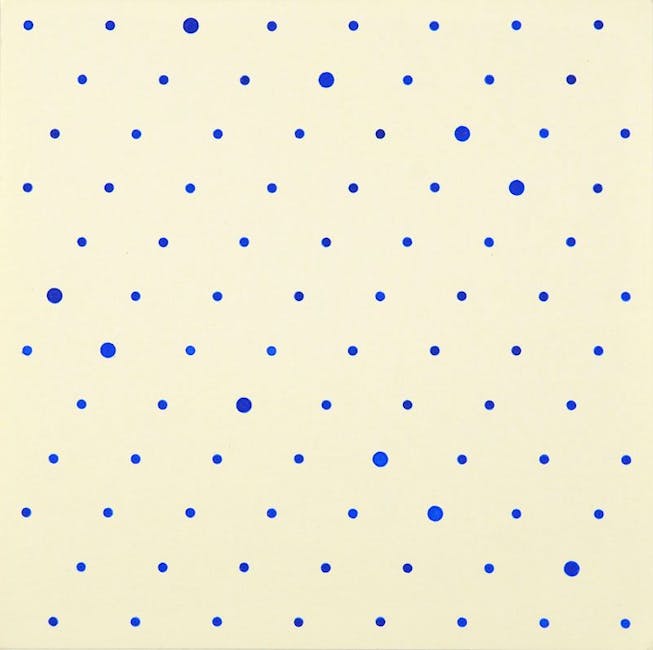
Cm. 3/2, 1978
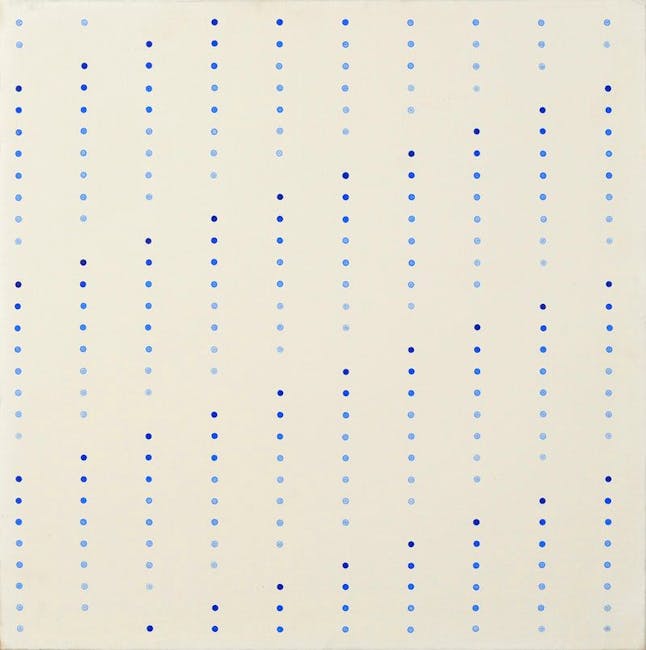
3 assente, 1979

Drawing 62 - 44, 1962